Singapore’s dense urban environment demands continuous awareness of ambient air quality to protect public health, meet environmental regulations, and support sustainable development. Construction activities,industrial emissions, heavy traffic, and natural processes can rapidly alter air quality levels. A Wireless Real-Time Ambient Monitoring System enables organisations to track changes instantly, ensuring safety,compliance, and transparency.
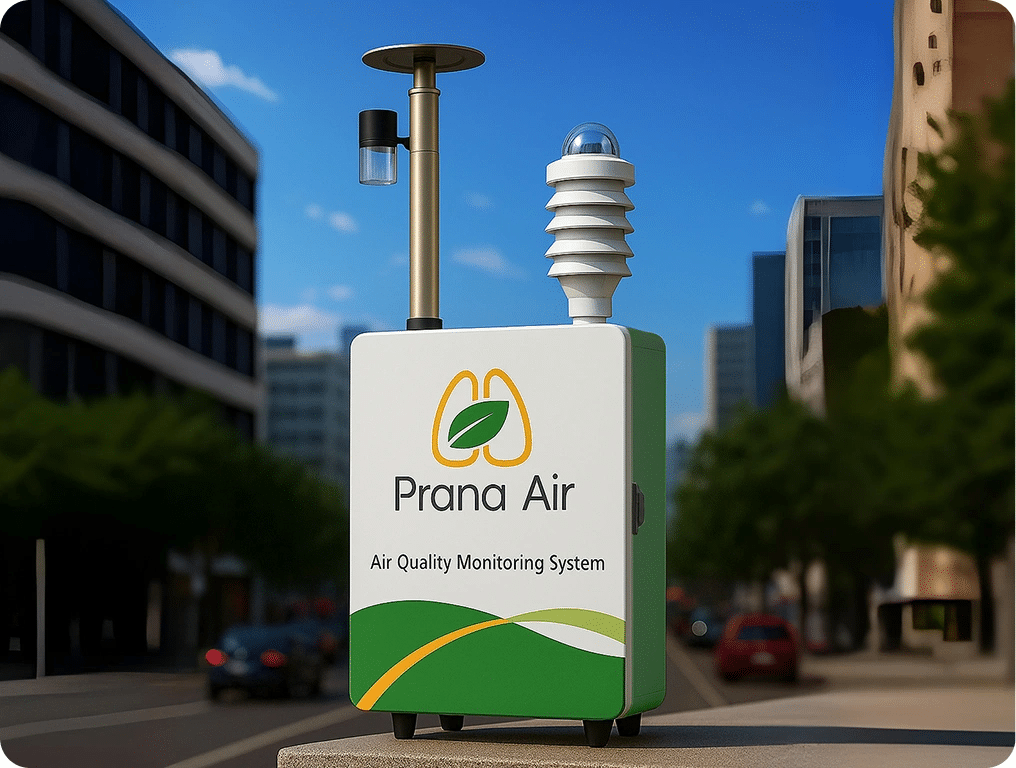
Pro-Tec Geosystems Pte Ltd delivers advanced Air Quality Monitoring Singapore solutions, including Wireless Real-Time Air Quality Monitoring System,Wireless Real-Time Dust Monitoring System,Ambient Air Quality Monitoring System, and Environmental Air Monitoring equipment. Our systems are engineered specifically for Singapore’s climate and NEA standards, offering accurate, reliable, and customizable environmental intelligence across every project type.
With 24/7 monitoring, businesses can stay aligned with NEA guidelines,environmental permits, and project requirements. Our NEA-Compliant Dust Monitoring capability ensures that construction and industrial sites meet local dust emission limits.
2. Health & Safety Protection
Real-time ambient monitoring enables early detection of harmful pollutant spikes, protecting:
Workers
Local communities
Sensitive building occupants
This makes ambient monitoring essential for high-impact industries and public-facing developments.
3. Data-Driven Decision Making
A Real-Time Dust Monitoring System helps identify:
Pollution patterns
Peak dust periods
Construction activities causing exceedances
With accurate data, project teams can implement targeted mitigation measures.
4. Transparency & Stakeholder Assurance
Municipal authorities, residents, consultants, and regulatory agencies value transparency. A Wireless Environmental Monitoring System demonstrates commitment to safety and environmental responsibility.
5. Client
-
Specific Monitoring
Instead of a fixed configuration, Pro-Tec offers full customization-deploy only the sensors your project needs, with room to scale anytime.
Supported Parameters & Custom Sensor Options
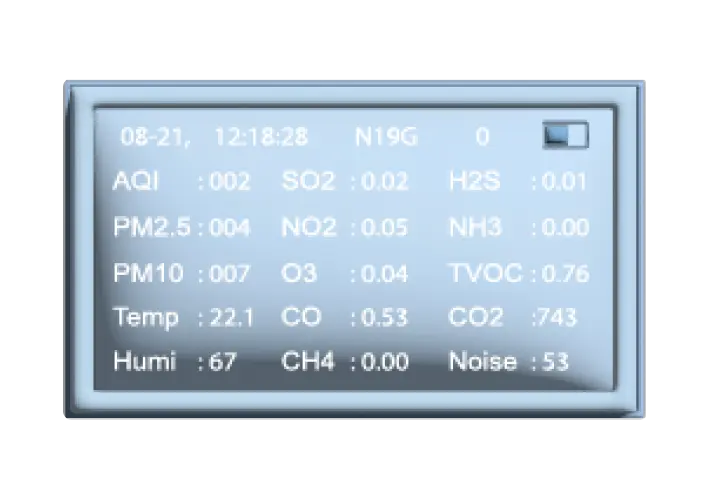
Our Air and Dust Monitoring System Singapore supports broad suite of pollutants and environmental indicators:
Particulate Matter
PM1
PM2.5
PM10
TSP (Total Suspended Particulates)
Ideal for PM 10 and PM 2.5 Dust Monitoring under NEA requirements.
Gaseous Pollutants
Nitrogen Dioxide (NO ₂)
Sulfur Dioxide (SO ₂)
Hydrogen Sulfide (H ₂ S)
Ammonia (NH ₃)
Volatile Organic Compounds (TVOCs)
Methane (CH ₄)
Carbon Monoxide (CO)
Nitric Oxide (NO)
Ozone (O ₃)
Environmental Parameters
Temperature
Humidity
Additional optional sensors can be added per client requirements, supporting Air Quality and Pollution Monitoring for any project type.
We ensure your Ambient Air Quality Monitoring System is accurate, powerful, and built for long-term environmental compliance.
Contact Us
Do not leave ambient air quality to chance.Partner with Pro-Tec Geosystems Pte Ltd to deploy a Wireless Real-Time Ambient Air Monitoring System that supports compliance, protects communities, and strengthens environmental transparency.